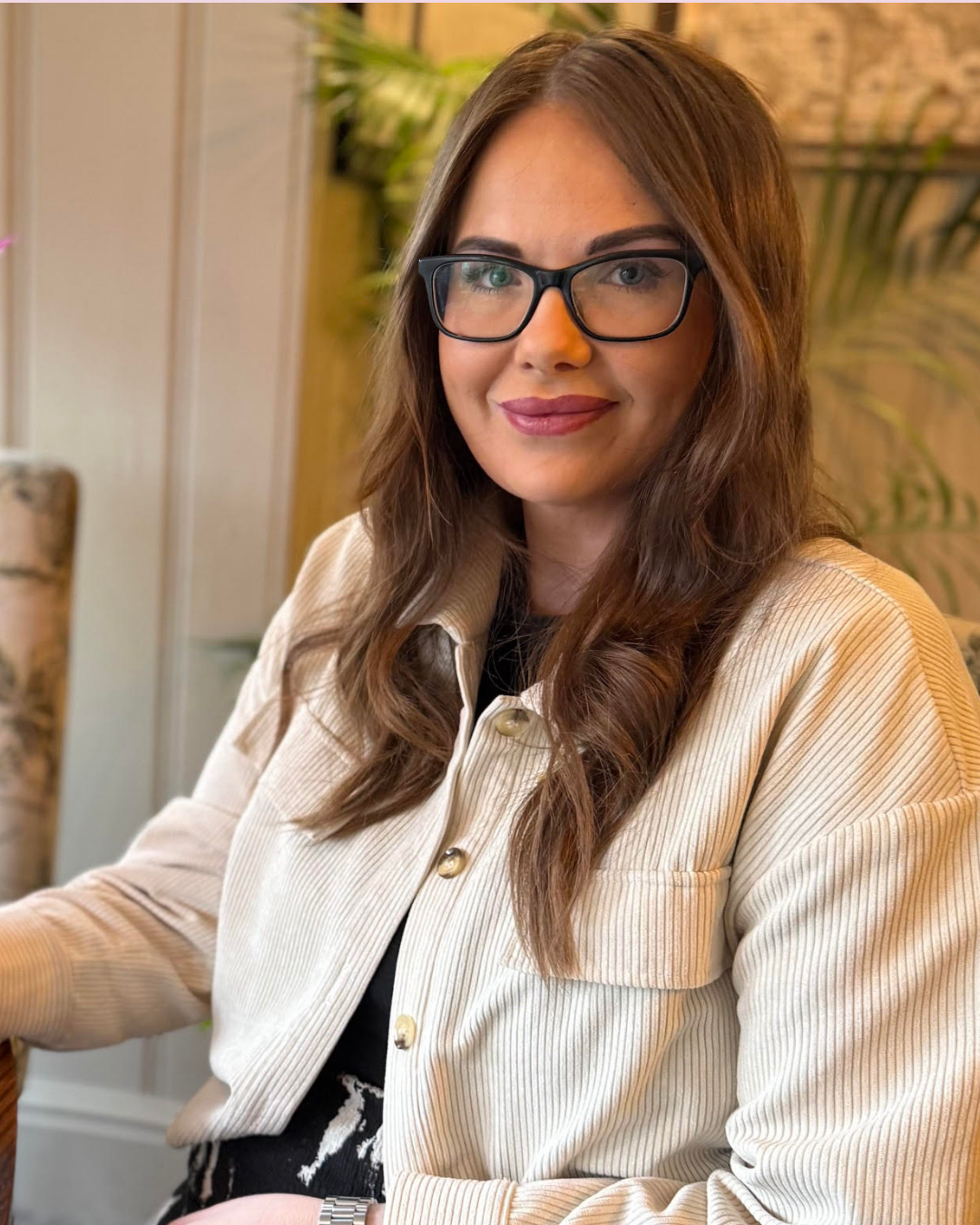
“I wondered whether maybe I was exaggerating or simply not coping as well as everyone else. That’s what years of dismissal can do to someone…”
From my early teens, my periods were traumatic. They weren’t just “bad cramps” they completely took over my life. The bleeding was so heavy that I was constantly worried about leaking through my clothes at school. I felt embarrassed, isolated, and different from everyone around me. The pain would stop me in my tracks. I couldn’t stand upright, couldn’t focus, and couldn’t function normally. I would curl up in the fetal position, rock back and forth on the floor, and take scalding hot baths just to try to dull the pain slightly. I slept with a hot water bottle attached to me for years because it was the only thing that brought even the smallest amount of comfort.
I missed out on so much of my teenage years because of my symptoms. School days, social events, sports, and everyday moments became difficult to manage. Alongside the physical pain came exhaustion, anxiety, hormonal instability, and the constant dread of my next cycle. But despite how severe my symptoms were, I was repeatedly told the same thing: “It’s normal period pain.”
I first sought medical help as a teenager because my symptoms had become impossible to manage. I remember feeling hopeful that once I explained how bad everything was, someone would realise something wasn’t right. Instead, I was prescribed painkillers, the contraceptive pill, and tranexamic acid to control the bleeding. There were no scans, no referrals, and no real investigation into why I was suffering so severely.
Over time, being dismissed repeatedly started to affect me emotionally as much as physically. I began doubting myself. I wondered whether maybe I was exaggerating or simply not coping as well as everyone else. That’s what years of dismissal can do to someone, it slowly chips away at your confidence and your trust in your own body.
It took 17–18 years from first seeking medical help to finally receiving a diagnosis of Stage 3 endometriosis in 2024, at 34 years old. During those years, I repeatedly returned to doctors explaining the same symptoms: debilitating pelvic pain, heavy bleeding, chronic fatigue, bladder and bowel issues, and the enormous impact it was having on my life. Yet appointment after appointment, I was met with temporary fixes instead of answers.
I hadn’t even heard of endometriosis until my late twenties. No healthcare professional had ever mentioned it to me. When I eventually researched the condition myself, it felt like reading my own story for the first time. From that point onward, I started pushing harder for answers. I asked for referrals, requested investigations, and advocated for myself in ways I never had before.
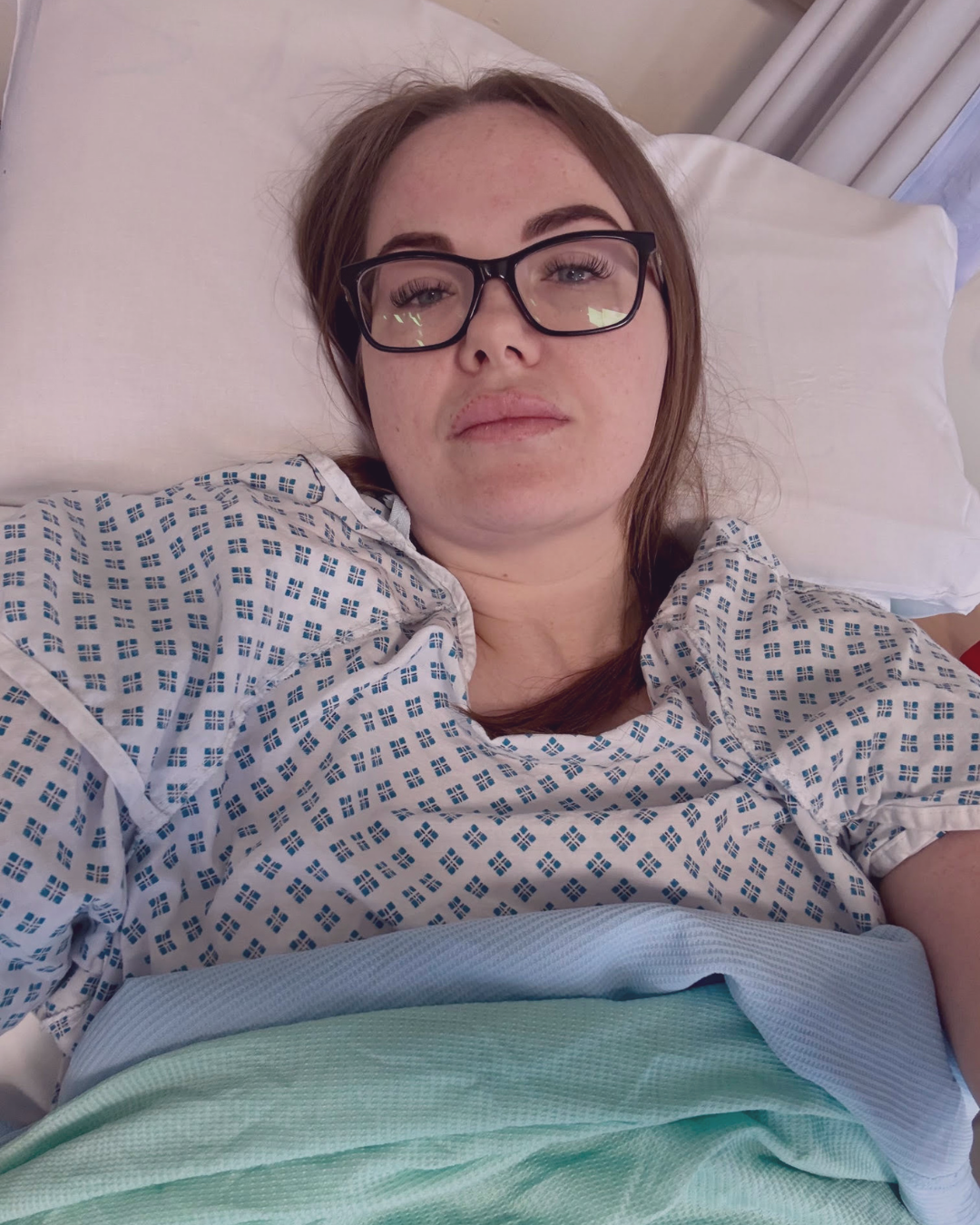
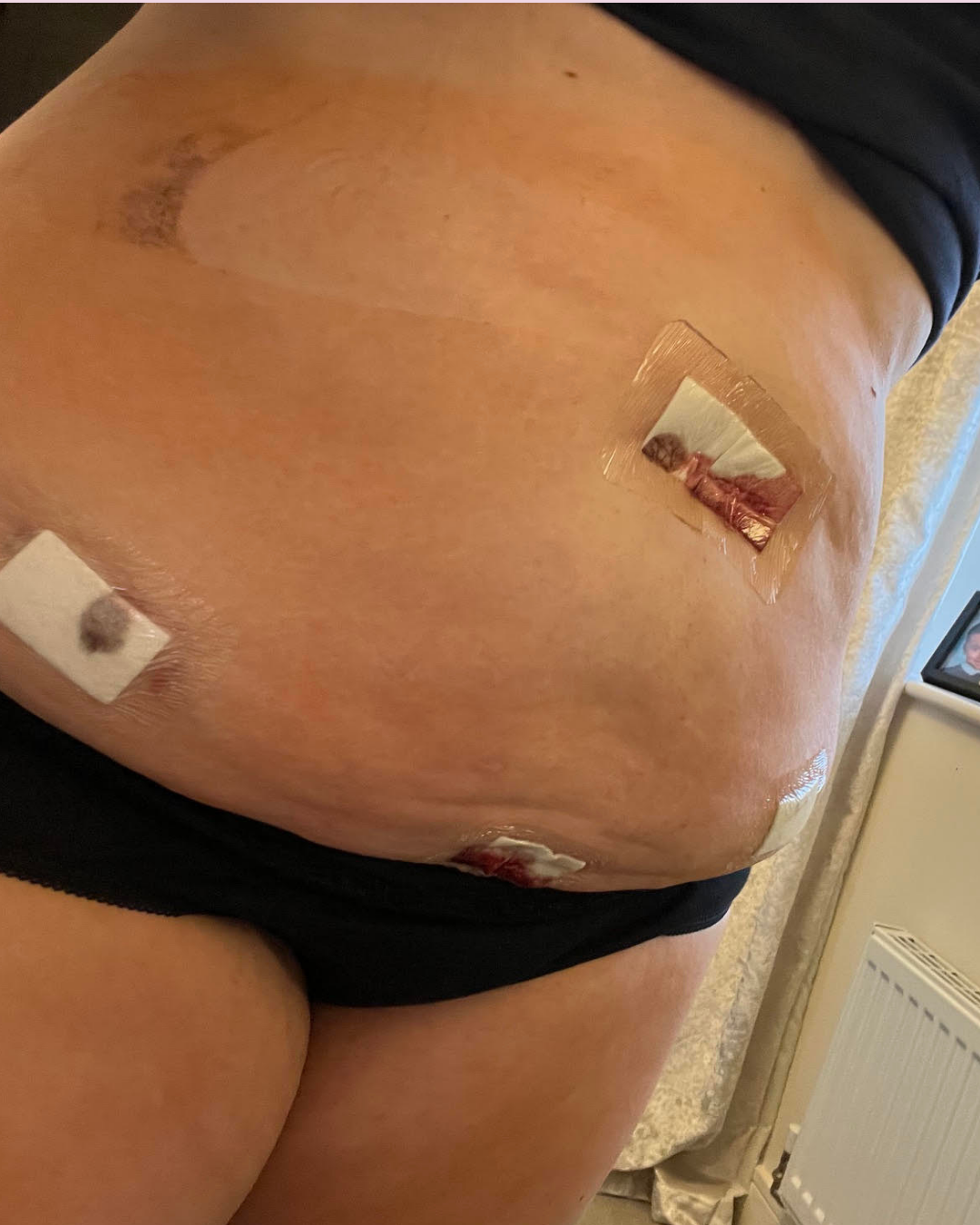
Eventually, I met a specialist who truly listened to me. For the first time in nearly two decades, I felt heard, believed, and safe in a medical environment. In October 2024, I underwent a diagnostic laparoscopy and excision surgery. The surgery confirmed Stage 3 endometriosis, predominantly on the left side of my pelvis, but also affecting my bladder and bowel.
Waking up after surgery and being told they had found and removed endometriosis was overwhelming. There was relief in finally having validation that my pain had always been real. But alongside that relief came grief and anger. Grief for the teenage girl who had spent years suffering in silence. Grief for the years I had lost to pain, exhaustion, and self-doubt. And anger that it had taken almost two decades for someone to finally believe me.
Following surgery, I began medical menopause treatment with Prostap alongside estradiol and Utrogestan add-back therapy, and I have also taken Ryeqo. While these treatments have helped suppress the disease, they have also brought their own physical and emotional challenges. Navigating medical menopause at a young age has impacted my mental health, my body image, my energy levels, and my thoughts around fertility and the future. It’s an incredibly isolating experience that many people don’t fully understand unless they have lived through it themselves.
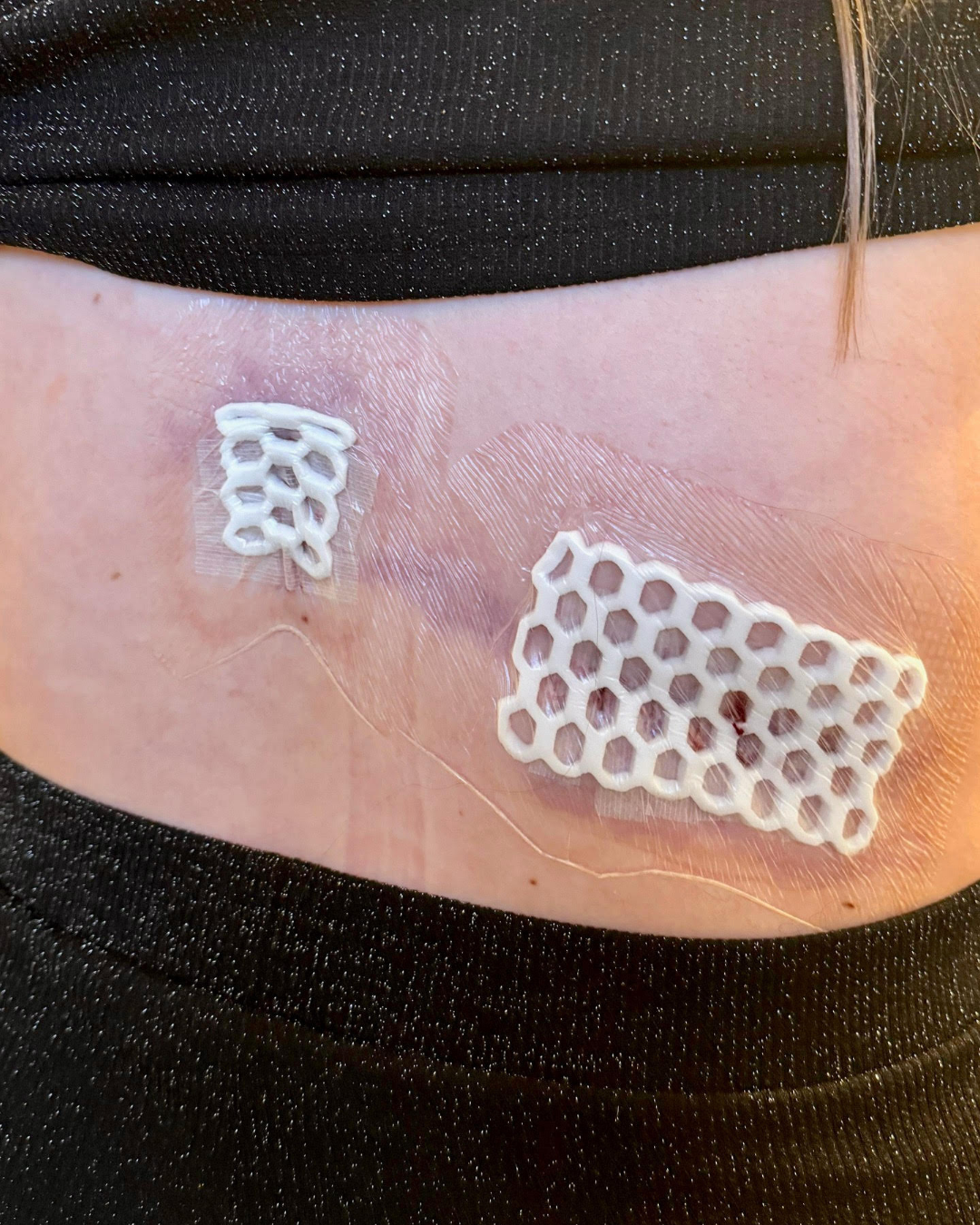
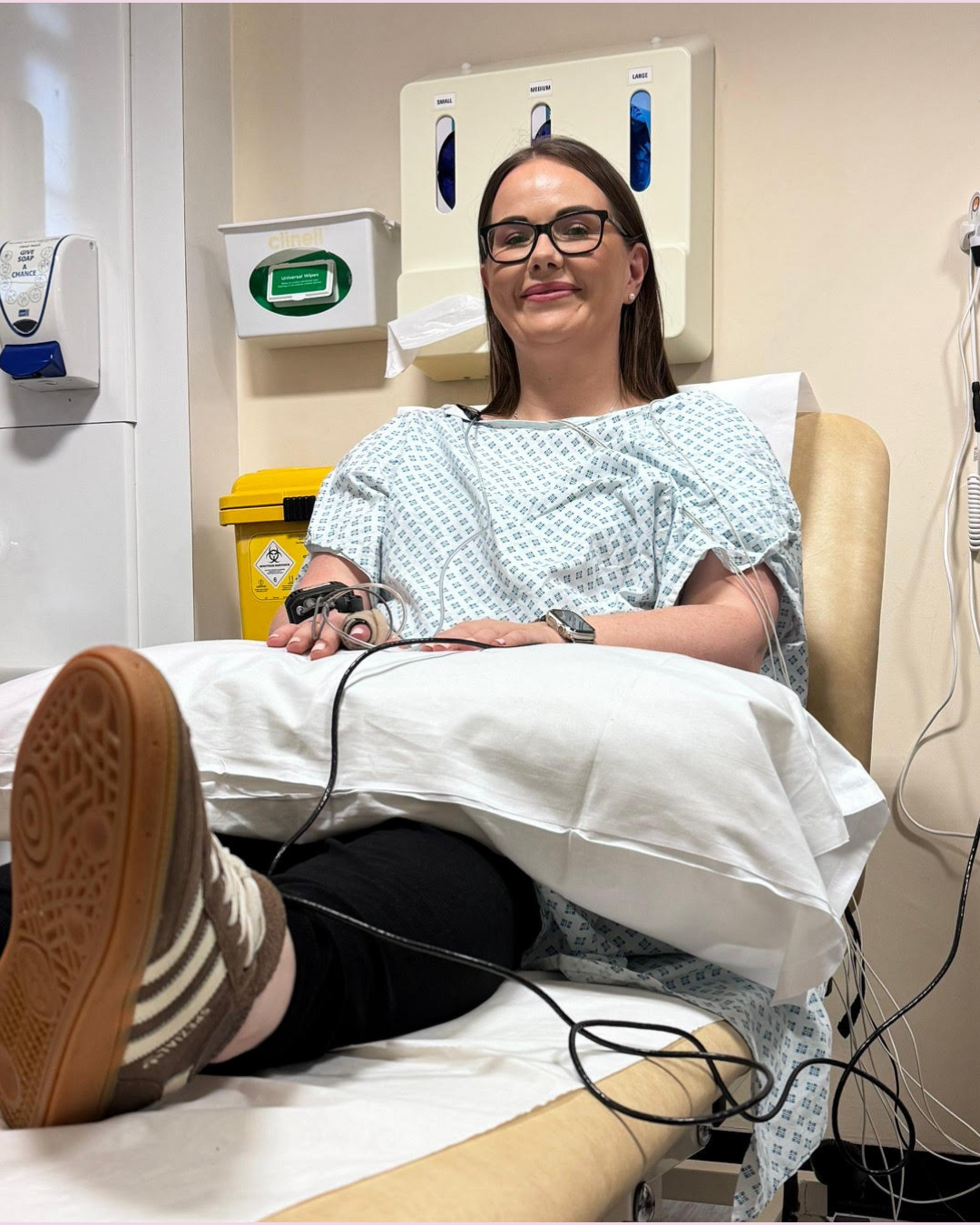
Despite surgery and hormone treatment, I continue to experience chronic pelvic pain. In February 2026, I underwent surgery to have a Spinal Cord Stimulator (SCS) implanted as part of a clinical trial exploring new ways to treat chronic pelvic pain caused by endometriosis. The device works by sending electrical impulses to the spinal cord to interrupt pain signals before they reach the brain.
Choosing to take part in the SCS trial was both hopeful and daunting. It represented how severe and life-altering endometriosis pain can become when standard treatments are no longer enough. But it also gave me hope that women’s pain management may finally be starting to evolve. I chose to be part of the trial not only for myself, but because I genuinely want to help contribute to the future of women’s healthcare and pain management. Women’s health conditions have historically been underfunded, under-researched, and under-recognised for far too long.
Alongside endometriosis, I also manage PMDD and PCOS, which bring additional hormonal, emotional, and metabolic challenges. I actively prioritise my health through weight training, running, movement, and nutrition, but chronic illness is unpredictable. Some weeks I feel strong and motivated; other weeks, simply functioning feels like an achievement. Living with chronic illness means constantly adapting to what your body can handle.
One of the hardest parts of this journey has been realising how normalised women’s pain still is. Endometriosis is not “just bad periods.” It is a systemic inflammatory disease that can affect multiple organs, mental health, relationships, careers, and overall quality of life. Yet so many women are still told to simply “deal with it.”
That is why speaking openly about my experience has become so important to me. Through sharing my journey online, I’ve connected with countless women who have felt dismissed, unheard, or isolated in their own experiences. Some have messaged me to say they finally felt validated after hearing someone describe symptoms so similar to their own. Others have said it encouraged them to push for answers or advocate for themselves medically. Those conversations remind me why awareness matters so much.
If there is one thing I want people to take away from my story, it is this: debilitating pain is never something you should simply accept. Your pain is real, you deserve to be heard, and you deserve proper care.
Endometriosis took years of my life, but it also gave me purpose. By sharing my story, I hope to help break the stigma surrounding women’s pain, encourage earlier diagnosis, and ensure fewer women have to suffer in silence the way so many of us have.
-Katie