“I learned how to work through discomfort, mask pain, and keep going even when my body was asking me to stop. ”
For most of my life, I knew something was not right with my body, even when I was told otherwise. From a young age, I was placed on different forms of birth control to manage painful periods and symptoms. While it often reduced or masked the pain, it also hid what was really happening underneath. At the time, I did not know that the disease causing my pain was still progressing, even when my symptoms felt more manageable.
I began experiencing painful symptoms as a teenager, long before I had the language or understanding to describe what I was feeling. Severe cramps, fatigue, and discomfort became normalized parts of my life, often brushed off as bad periods or something I just needed to push through. Birth control became the default solution, rather than an investigation into why the pain existed in the first place.
As time went on, the symptoms did not disappear. They shifted and intensified. Pain began to affect my daily routine, my mental health, and my ability to function consistently. I learned how to work through discomfort, mask pain, and keep going even when my body was asking me to stop. Like many people with endometriosis, I became skilled at minimizing my own experience because I did not feel believed. I questioned myself constantly, wondering if I was overreacting or if the pain was somehow my fault.
After nearly nineteen years of symptoms, I was finally diagnosed with endometriosis in March 2025 via MRI. Receiving that diagnosis was both validating and overwhelming. On one hand, I felt relief and confirmation that what I had been experiencing for nearly two decades was real. On the other hand, I felt grief for the years spent without answers, support, or proper care. I also reflected on how long my disease had gone undetected while being managed only at the surface level.
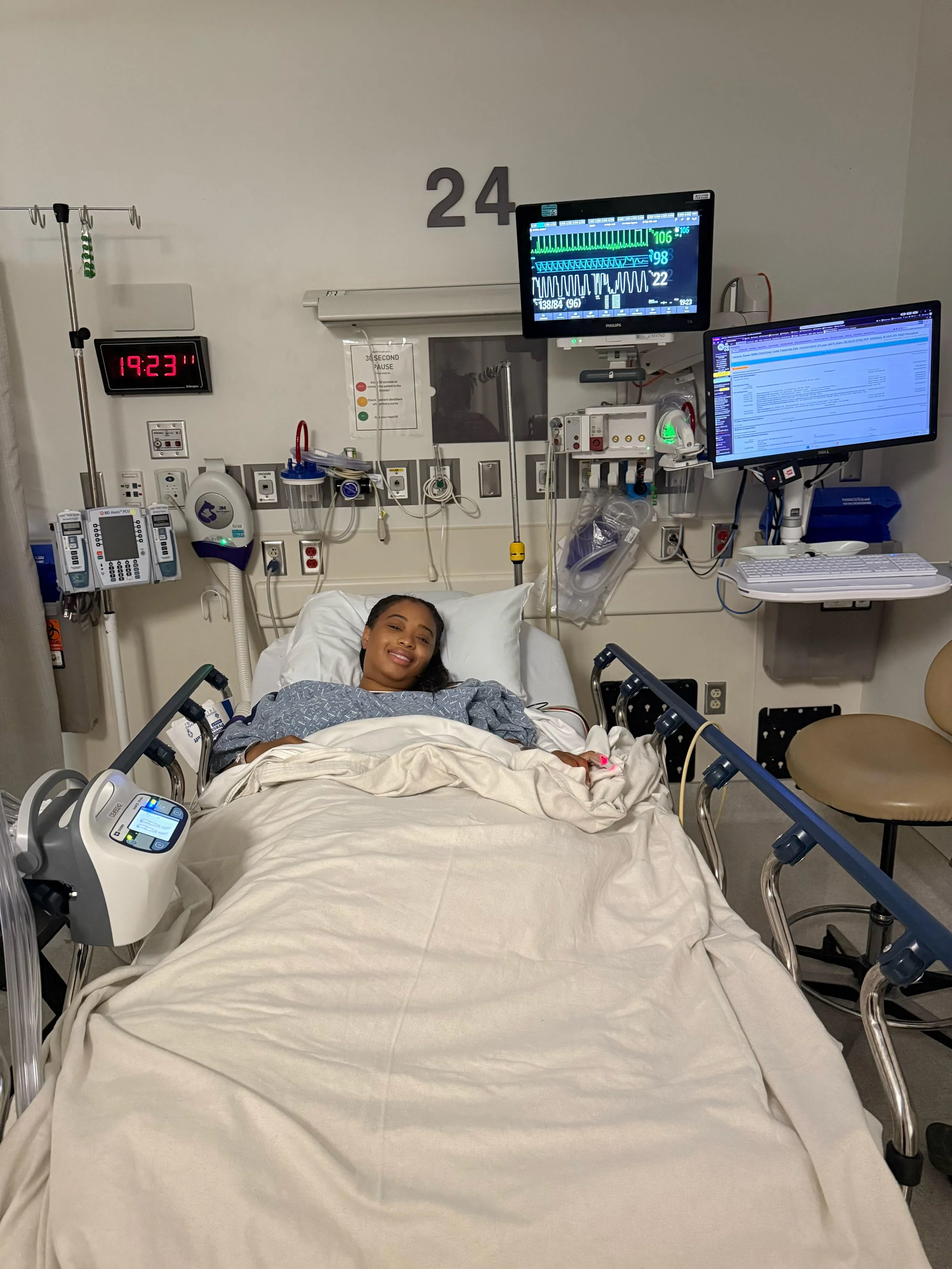
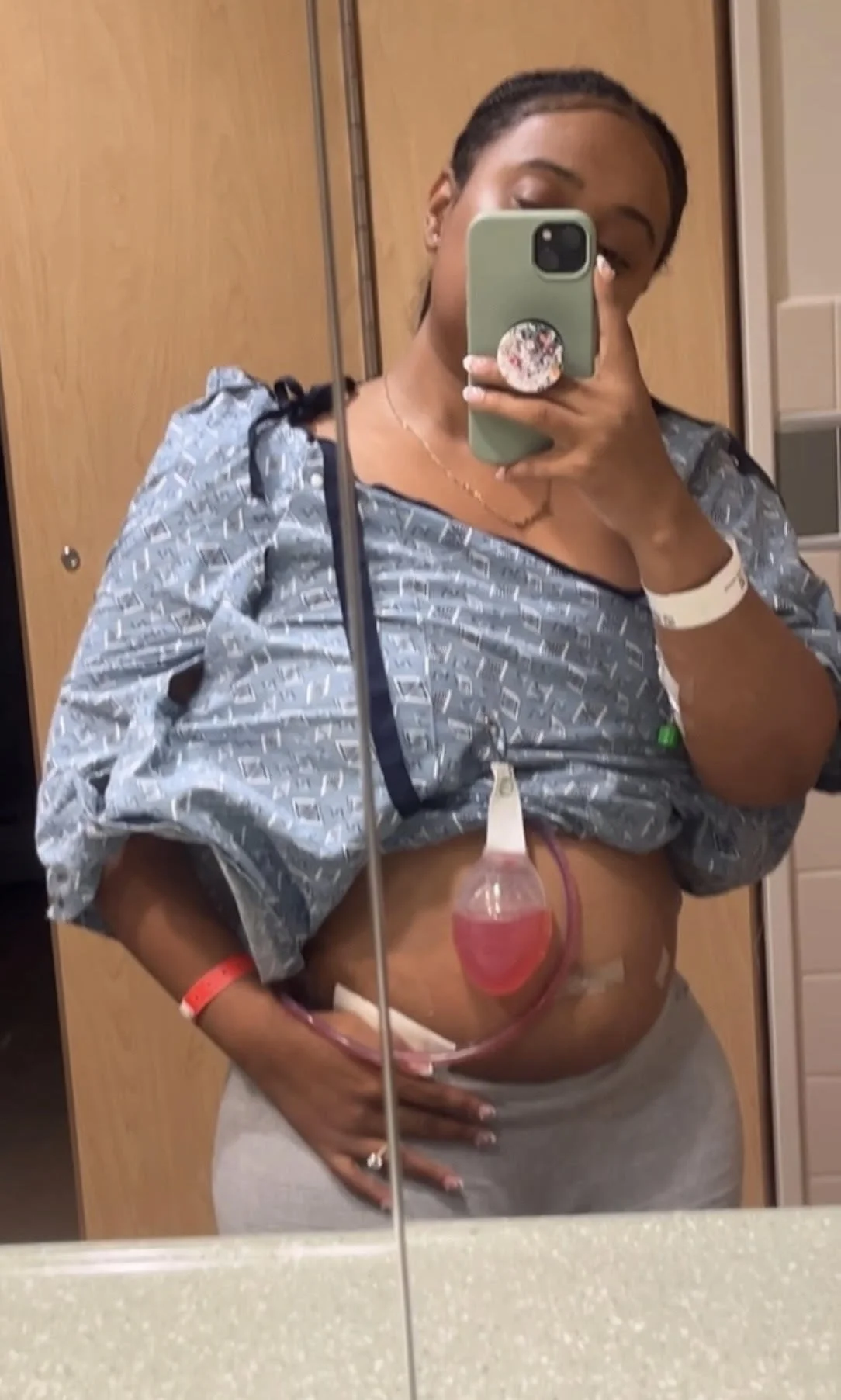
Surgery marked a major turning point in my journey. While it provided clarity and answers, it also introduced new challenges. Recovery required me to slow down in ways I never had before. I had to relearn how to listen to my body, honor my limits, and allow myself to rest without guilt. Surgery was not a cure, but it gave me a starting point and a foundation for understanding my condition and exploring what long term care could look like for me.
Living with endometriosis has impacted nearly every aspect of my life. Chronic pain and fatigue have affected my mental health, my ability to work consistently, and the way I plan my days. Simple tasks often require extra thought and energy. There are days when I feel strong and capable, and others when my body demands rest. Healing has taught me that progress is not linear and that setbacks do not mean failure. They are part of the process.
After surgery, my focus shifted from simply surviving to learning how to better support my body. I began educating myself about endometriosis, inflammation, nutrition, and lifestyle changes that could help manage my symptoms. I realized how important it is to approach healing holistically, recognizing that medical care, mental health, rest, and self advocacy all play a role. Most importantly, I learned that pushing through pain is not a badge of strength. Listening to your body is.
-Brionna