The Questions That Could Have Been Asked
This is my story about navigating endometriosis and adenomyosis.
It’s only one part of my life, woven alongside so much beauty: motherhood, building a home, finding a career that I love and many supportive relationships. But this part deserves to be spoken as well and I feel privileged to give voice to it here.
As I look back, one theme stands out: statements instead of questions. Statements that closed doors instead of opening them. Statements that shaped my beliefs about my body, my worth, my identity. Many were delivered casually, even lovingly, but they left questions unanswered and instead, a sense of aloneness with my pain. And sometimes, I wonder how different my path might have been if someone simply asked a question instead.
Early Lessons: Pain as a Way of Life
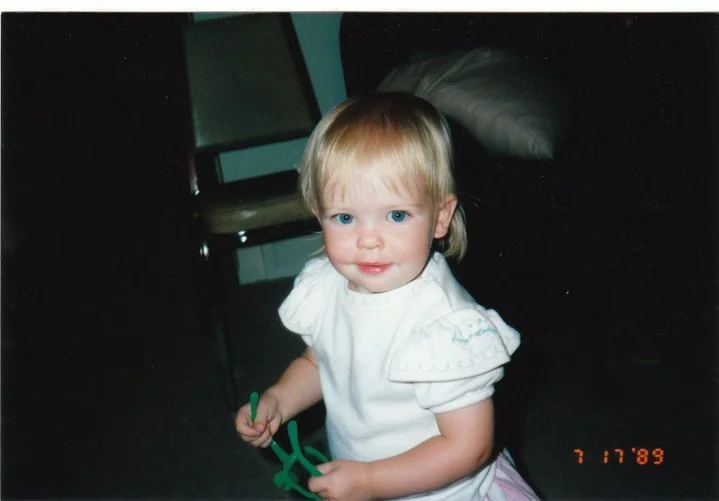
My relationship with pain began early. As a competitive gymnast, my life had a familiar rhythm: school, physiotherapy, gymnastics club, repeat. First it was my achilles tendon, then my knee, and later my hip when I transitioned to national-level high diving. The pain wasn’t excruciating, but it was steady and recurring.
Back then, my body felt capable and strong. It was able to do amazing things and recover. Pain had boundaries. It came and went, and because of that, it didn’t feel threatening. But, there were clear messages that shaped my understanding of pain that would stick with me: Pain is part of the game. Tape up. Keep up. Push through.
One month after I retired from sports, my body finally slowed down. I lingered on the couch, truly finding rest and stillness for the first time in years.
Then, my first period arrived.
I was fifteen, sitting in Grade 10 science class, when a white-hot, stabbing pain shot through my lower stomach. It turned into dizziness and I excused myself to the bathroom, pieced together what was happening, and went to the office. I used the only words I had for it: I feel sick.
When I got home, I told my mom, “I got my period.” She smiled and said, “You’re a woman!” Her face was bright with pride. What I didn’t say was, this is what it feels like to be a woman?
Over the next months, I collected more statements from home, school, media, the world all passed down through generations:
“Periods hurt.”
“It’s part of being a woman.”
“Pain is beauty.”
“Be careful. Be good. Be obedient.”
I sometimes wonder what conversations might have unfolded if questions like, “Are you in pain? Do you need to rest? What have your periods been like? Do you have any questions?” had been asked.” Instead, I learned: Pain is normal and expected and my body is something to be managed, not understood.
Early ER visits: Pain with No Name
Not long after my periods began, a sharp unmoving pain showed up behind and below my belly button. It was so painful I went to the emergency room - twice. The first time, my Grandma came with me. The second time, I went alone not wanting to ask someone to sit with me if it was nothing again.
The doctor gently pushed near the area, drew blood, and asked me for a urine test. I waited. Everything came back normal. The only instruction for next steps being: “Bring someone with you next time.”
That was it. No answers, comfort or plan. Just a single statement that left me even more confused and anticipating that there would be a next time.
After a year of painful periods, I went on the birth control pill. The pain lessened, but in its place came something harder to name… a dark, persistent shadow of unease. I imagine a follow up a few months after starting the pill would have offered a perfect chance to check in. Questions like, How are you feeling emotionally? Have you noticed any changes in your mood? What side effects are you experiencing?
Instead, I stayed on the pill for a decade while my beliefs solidified. I absorbed messages meant for my teenage self: get better marks, be polite, stay fit, stay productive, rest must be earned.
But when we push through, we also push down. We minimize. We internalize. And when we ignore the pain gets louder, desperate to be heard.
The First Adult ER Visit: A Silent Dismissal
I was twenty-five, freshly back at work after a two-week break taken to recover from burnout. I had been at my desk for thirty minutes and it hit: a white-hot stabbing pain in my lower abdomen, followed by cold sweats and the sharp, familiar knowing that something was very wrong.
At the ER, they gave me a pregnancy test. I waited. The doctor returned with a single statement: “You’re not pregnant.”
What if someone had asked instead: What were your periods like before birth control? Have they changed since stopping the pill? Do you have pain anywhere else in your body? Does it hurt to urinate or have a bowel movement? What stressors are you dealing with right now? How many hours a week are you working?
It’s so hard to not only access but proactively offer that kind of information when you’re in pain because the nervous system is activated and fear is present. Even a few of those questions asked proactively might have helped a clearer picture emerge. The pill had been masking symptoms all along, and my body was trying to tell me that my high-stress, fast-paced lifestyle was pushing it past its limits. A referral might have been made. A door might have opened.
Motherhood, Pandemic, and the Return of Pain
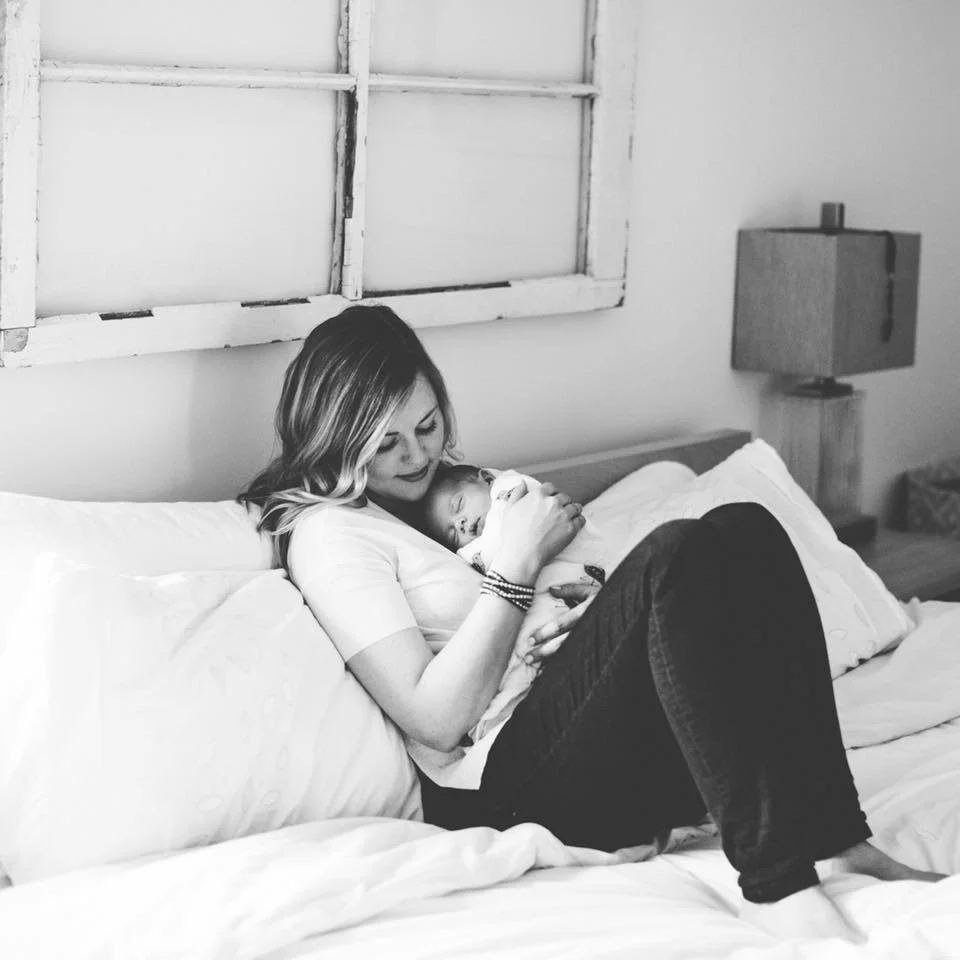
Fast forward, I married my incredible partner, and together we built a relationship rooted in care, fun, connection, and rest. I also changed jobs, seeking a work culture that valued balance, well-being, and the whole person. Not ironically, I saw a decrease in overall pain during this time frame. Soon after, our first baby was born. Motherhood cracked me open in the most profound way; intense love, connection and proof that pain was only part of my story, not the whole thing. Then came baby number two, completing our family in the most perfect way. This role is where I find my deepest joy, pride and sense of purpose.
In March 2020, the world shut down. The stress of a global pandemic mixed with two tiny children, sleepless nights, relentless mastitis from breastfeeding and isolation had stretched my nervous system beyond its limits. That’s when the pain got louder. A low backache became cyclical full back spasms, fatigue became bone-deep exhaustion I couldn’t push through and periods became excruciating.
My inner dialogue shifted: I’m healthy. I’m fit. Why does my neck spasm when I bend to put on a sock? Why does my back seize when I roll out of bed?
I turned to physiotherapy and chiropractic care, the relief effective but temporary.
More ER visits: Everything Looks Fine
At thirty-two in the peak of the pandemic, I was convinced my newly inserted IUD had perforated something inside me. I waited six hours in the waiting room, doubled over in pain. Finally, the ultrasound. Another wait and the doctor returned to deliver a statement: “The IUD is perfectly in place. Everything looks fine. Here’s an anxiety medication.”
In that moment, the fragile trust I had in my body disappeared. “Am I anxious?”, I asked myself. I know I am scared right now, but isn’t that a reasonable reaction to what is happening? And If everything looks fine, then maybe I am the problem? Maybe my pain is too much. Maybe I am too much.
As the pain grew louder and my energy reserves dwindled, my world began to shrink. I cancelled plans, coffee dates, dinners out not because I didn’t care, but because the energy raising two young kids needed to be reserved to show up in a way I could feel proud of.
I felt guilty for not showing up enough, but I didn’t have the language to explain what was happening inside my body because I didn’t have answers myself. I imagine that silence was confusing and lonely for those I love, too.
A year later, while finishing my Masters in Psychology and Counselling, the pain returned just as badly. Even the doctors suspected appendicitis. For seventeen hours I waited with no food or water as directed. My mom sat beside me, and finally, a CAT scan.
The result? “Everything looks fine.”
I went home exhausted, embarrassed, and unsure of myself. I missed a family wedding because of pain no one could name.
Rather than seeing it as I don’t have the answers I need yet, the questions I began asking myself were painful ones: Am I dramatic? Am I asking too much of others? If I can’t trust myself to know when to go to the emergency room, can I trust myself to know when it’s okay to simply ask for help?
I wonder if at those emergency rooms I was asked questions like;
– “How often does this pain happen?”
– “How long does it usually last?”
– “Do you have other pain in your body?”
– “How are you coping right now?”
– “How long has this been happening?”
Or even simply said:
“You were right to come in tonight. We’re glad you did, and we’re going to refer you so you can get the right answers.”
…perhaps my self-doubt wouldn’t have spiraled.
The Door Finally Opens
Months later, I switched to a new family doctor. I went in for painful bladder symptoms that had felt familiar but increasingly painful. Almost as an afterthought, I added: “Oh, and also… sex hurts. During and after. Really badly, for at least a day.” The latest way my pain had evolved, adapting itself to this phase of life.
She paused. Then she asked: “I think you might have endometriosis. I want to refer you.”
I cried. After twenty years, finally, a name. Finally, a door opened.
The Questions That Changed Everything
At McMaster University Medical Centre, I was met with compassion, validation and questions.
Does it hurt to urinate? During sex? When using a tampon? Do you feel fatigued? Does your pain limit your daily activities? Have you experienced past trauma?
Yes. Yes. Yes. Yes.
These weren’t just questions for information. They were invitations to believe in myself again, to trust that my pain mattered and what I had been experiencing was real. Each question opened a small door to understanding, care, and hope and for the first time, my experience had a name that fit.
I was diagnosed with endometriosis and adenomyosis and connected with a pelvic floor physiotherapist in Oakville whose work is rooted in pain science. In this, I learned that my nervous system had been driving much of my pain by oversensitizing my pain system. An answer the biomedical model alone couldn’t explain or address. Her work changed the trajectory of my healing and she has become a mentor in my work since.
Healing required a different kind of work. It was slow, layered, and personal. It included working with my incredible IFS therapist and training in Pain Reprocessing Therapy, both shifting my relationship with pain and creating new safety in my body. I continued to be supported by my gynecologist who paired medicine with genuine compassion, offering imaging and follow-ups that felt thorough, allowed time for questions, choice and a clear understanding of next steps.
With the help of a Naturopathic Doctor I was prescribed supplements that support my digestion and immune system. I also eliminated alcohol when I realized the role it plays in inflammation and I started a hormonal medication that was carefully chosen for both my diagnoses by my gynecologist. Lastly, I focused on safe, loving and mutually supportive relationships along the way.
Throughout this chapter, I also became a licensed Registered Psychotherapist. Looking back, I know that this path was my way of creating the space I had always needed — a space where pain and story could be held with compassion, and where questions could finally be asked.
Today, I specialize in supporting women with endometriosis and pelvic pain. Every day, I ask the questions I once needed: Tell me your story. What is living with pain like for you? What makes coping easier — and what makes it harder? What have you needed throughout your journey? What would it mean to feel safe in your body again?
I don’t always have answers. But I sit with them in the stuckness, the choices and the hope. My clients are no longer alone with their story. Together, we find words. We find grief. We find meaning. And we create a new story.
I’ve learned that questions can be just as powerful as answers and sometimes even more so. Because questions open doors: doors to understanding, doors to healing, doors to futures where women aren’t told to push through or to be silent.
When you’re told nothing is wrong, you start to believe you are what’s wrong. But when someone asks, “Tell me more,” something shifts. You begin to remember your truth.
My hope is that more doctors, parents, friends, and partners will choose curiosity over certainty.
Because sometimes, a single question can change everything.
-Melissa